Lotus Dental Group · Services
Root Canal Therapy in San Jose

Quick answer: A root canal removes infected or inflamed pulp from inside a tooth, then cleans, seals and usually crowns it so you keep your natural tooth. At Lotus Dental Group in San Jose, root canals are done in-house, typically in one or two visits, with full numbing so the procedure feels much like a filling. Most PPO plans cover part of it.
Root Canal Therapy in San Jose, CA – Save Your Tooth and Stop the Pain
A root canal removes infection from inside a tooth so you can keep your natural tooth instead of losing it. If you have a lingering toothache, sensitivity to hot or cold that won't go away, or swelling near a tooth, Lotus Dental Group in San Jose can diagnose the cause and, in most cases, treat it in our Willow Glen office — with modern anesthesia that makes the procedure feel much like getting a filling.
Insurance: We accept and bill most major dental PPO plans, including Delta Dental, MetLife, Cigna and Aetna. See how your insurance works with us.
What Is a Root Canal?

Inside every tooth is a soft core called the pulp, which holds nerves and blood vessels. Deep decay, a crack or an old large filling can let bacteria reach the pulp and cause infection. Root canal therapy cleans out the infected pulp, disinfects and seals the canals, and protects the tooth — usually with a crown — so it can keep working for years.
Signs You May Need a Root Canal
Not every toothache means a root canal, but these symptoms are worth getting checked promptly:
- Severe or throbbing toothache, especially when chewing
- Sensitivity to hot or cold that lingers after the food or drink is gone
- A tooth that has darkened or changed color
- Swollen or tender gums near one tooth, or a pimple-like bump on the gum
- Pain that wakes you up at night
If pain comes with facial swelling or fever, treat it as urgent and call us the same day.
How Root Canal Treatment Works at Lotus Dental Group
Most root canals are completed in one or two visits.
- Diagnosis: an exam and digital X-rays (with 3D imaging when needed) confirm which tooth is involved and how far the infection has spread.
- Numbing: the area is fully anesthetized so you feel pressure, not pain.
- Cleaning the canals: infected pulp is removed and the canals are shaped and disinfected.
- Sealing: the canals are filled and sealed to keep bacteria out.
- Protecting the tooth: a crown is usually placed afterwards so the treated tooth can handle normal chewing.
Root Canal or Extraction?
Keeping your natural tooth is almost always the better long-term choice — it preserves your bite, your jawbone and the teeth next to it. If a tooth can't be saved, a tooth extraction followed by a dental implant or bridge may be the right option. Because Lotus Dental Group handles root canals, extractions and implants in one office, Dr. Chawla can give you an honest comparison without sending you elsewhere. Read more in Root canal or extraction? How a San Jose dentist decides.
Recovery After a Root Canal
Most patients return to normal activities the same day or the next morning. Mild tenderness for a few days is common and usually eases with over-the-counter pain relievers. Avoid chewing hard foods on the tooth until its permanent crown is placed.
Insurance for Root Canal Treatment
Most dental PPO plans cover a portion of root canal therapy and the crown that follows. We accept and bill most major PPOs and will check your benefits before treatment — see our insurance page for details.
Toothache? Book an Evaluation
Don't wait for tooth pain to get worse. Call (669) 222-8315 or book online. For urgent pain or swelling, see our emergency dentistry page.
FAQ
We love welcoming new patients and appreciate referrals from our valued patients!
Our friendly and experienced front office team is here to make your visit comfortable. At Lotus Dental Group, we take pride in providing quality restorative and cosmetic dental care to our neighbors in San Jose, CA.

Our Blogs
October 28, 2026
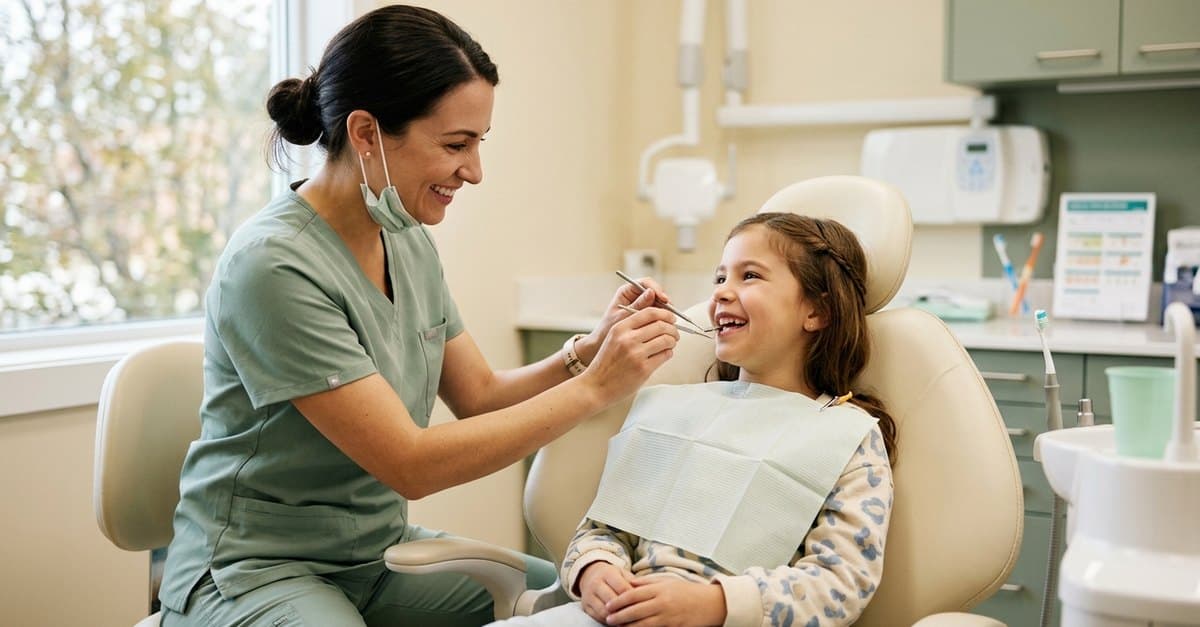
Your First Cleaning in Willow Glen: What 95125 Families Can Expect
Quick answer: A first cleaning at Lotus Dental Group in Willow Glen usually takes 60 to 90 minutes. We review your health history, take any X-rays you need, clean and polish your teeth, and Dr. Prathima Chawla, DMD, does a full exam of your teeth, gums and bite. Children from age four can be seen the same day as their parents, and most PPO plans cover the visit as preventive care.
Read More
October 21, 2026
Root Canal or Extraction? How a San Jose Dentist Decides
Quick answer: If a tooth can be saved, a root canal is usually the better choice — it keeps your natural tooth, protects your bite and costs less over time than replacing the tooth. An extraction makes sense when the tooth is cracked below the gumline, too broken down to rebuild, or has lost too much bone support. At Lotus Dental Group, both treatments — and the implants or bridges that replace an extracted tooth — happen in one Willow Glen office, so the recommendation is based on your tooth, not on who does which procedure.
Read More
September 14, 2026
Bleeding or Receding Gums? What Gum Disease Treatment Actually Looks Like
Quick answer: Bleeding gums are not normal — they are usually the first sign of gum disease, and the earliest stage (gingivitis) is fully reversible with the right cleaning and home care. Left untreated, it can progress to periodontitis, which needs a deeper professional cleaning and ongoing maintenance to control. At Lotus Dental Group, gum disease is diagnosed and treated in the same office as the rest of your care — no referral to a separate periodontist required.
Dr. Prathima Chawla and her team have treated gum disease in Willow Glen and San Jose for more than 25 years, from the first sign of bleeding gums through ongoing periodontal maintenance.
Dr. Prathima Chawla and her team have treated gum disease in Willow Glen and San Jose for more than 25 years, from the first sign of bleeding gums through ongoing periodontal maintenance.
Read More